‘Evil Japan’: Nippon Steel and American Economic Security
(5 minute read)
- Despite concessions, the Biden administration raised national security red flags over Nippon Steel’s acquisition of a major US steelmaker.
- CEO of Cleveland-Cliffs echoes anti-Japanese sentiment, highlighting growing protectionist anxieties within the US.
- The uncertain outcome of the deal casts a shadow over future foreign investment in the US, raising questions about the country’s economic policy.
By William Willis and Yassa Ahmed
“China is bad. China is evil. China is horrible. But Japan is worse,” stated the chief executive of Cleveland-Cliffs, Lourenco Goncalves, in a 90-minute press conference. This American executive’s diatribe is an echoing statement made by the overarching character of protectionism across political parties in the United States.
Nippon Steel is the world’s fourth largest steel maker, having announced a deal back in December 2023 amounting to USD$14.9 million to purchase the ailing firm that once made up over 60% of the steel market, and was America’s first billion-dollar company.
A deal that saw the two companies make concessions in securing jobs, offering to fund workforce training centres, and potentially giving the US government the right to veto potential production cuts. Nonetheless, “there is credible evidence that leads me to believe that”…” Nippon Steel Corporation”…” might take action that threatens to impair the national security of the United States,” the outgoing US president said in a briefing earlier this month.
Yet, the Committee on Foreign Investment in the United States (CFIUS), tasked with considering the national security risks of this transaction could not uniformly conclude so. In this ‘sort-of’ consideration, the context of protectionism shows its face, as we leave one protectionist president for another.
Nippon Steel-US Steel: Protectionism 101
Hardly have open trade and business been questioned more in political discourse across the last 10 years, than American isolationism pre-1945. Saving workers and providing their deserved opportunities is almost synonymous with trade restrictions, investments and the othering of foreigners.
We found that ‘this administration had quadrupled tariffs on EVs bringing the current rate to 100%,’ when we examined Chinese EV exports to the US. While, mainly symbolic, the underlying context demonstrates the economic insecurity (real or not) the working class is believed to have when a competitor arrives that is not American. A message welcomed by segments of society that used to live in economically prosperous areas during the industrial boom of the post-war era.
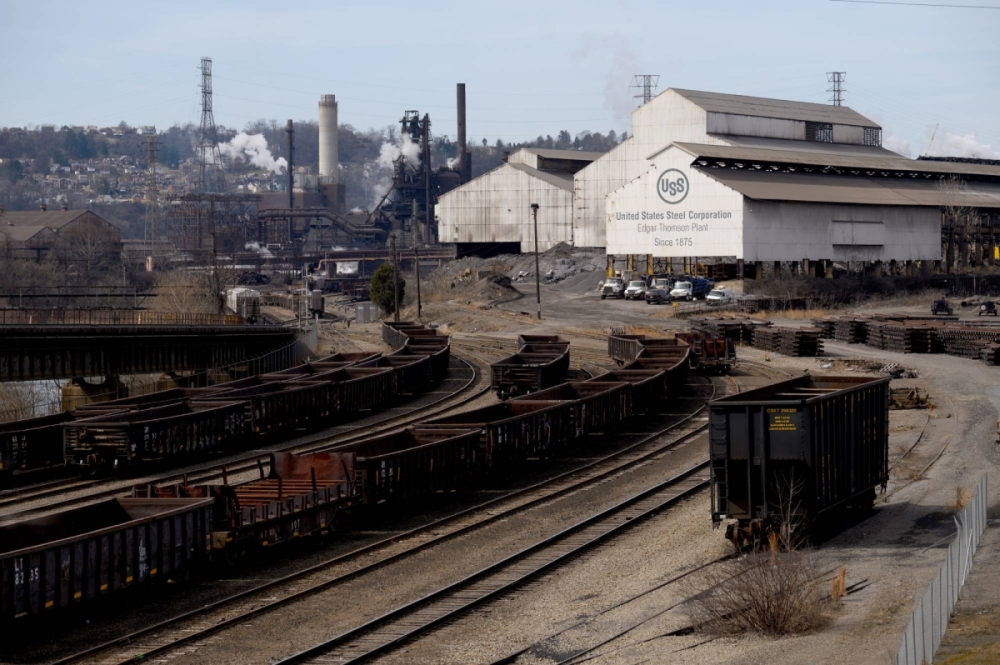
US Steel based in Pittsburgh, Pennsylvania was at the heart of the steel industry during the 19th and 20th centuries. ‘75 years later, the American steel industry, along with auto and other heavy manufacturing industries, was in deep crisis.’ Nippon Steel outranked US Steel in the 80s, and 40 years later it is attempting to buy out the former giant.
Is Lourenco Goncalves right with an “all-American solution in place,” the United Steelworkers Union seems to believe so, it said it would work to block any takeover. Even Biden and Trump have expressed a negative outlook on the deal. Indeed, the parallels in this hampered arrangement, between political desires and the repositioning of American strategic economic interests more inwardly, show an approach to playing ball closer to the homeland.
The Politics of Protectionism: Foreign Participation
Possibly our allies are working against US interests, and seeking a free ride at the expense of honest blue-collar workers. The Nippon Steel and United States Steel deal serves as a microcosm of this broader anxiety surrounding foreign participation and attempts at scoring domestic points at home.
The underlying narrative, in the last presidential race, often revolved around protecting the American market through tariffs. How the winner of the November election uses those tools determines the course of the economy. Unfortunately, distrust against outside buyers has provided an internal incoherence favouring trade barriers, as protectionist policies are being used to advance several separate goals.
If the intention is to improve workers’ lives, job losses and the perceived decline of American manufacturing prowess are hot topics in voter consciousness. Fuelled by political rhetoric and potential economic concerns, no wonder it can become a challenging environment for foreign investors. But are restrictive policies against foreigners closer to deterrents on innovation, technology and limiting access to capital, ultimately weakening America’s economy?
In the case of this deal, Nippon and US Steel have not been the most forthright companies, circulating letters to union members, to the tune of ‘sign a petition in favour of the merger’, with even the governor of Pennsylvania alluding “to US Steel’s repeated threats against union workers.” However, the constant threats of government intervention and buyout blocks, regardless of the actual merit of the words, have shown to Blue Collar workers that they are now more than ever in the front of their politician’s mines (for right or for wrong).
 Manners&Willis