Global
The Art Market Has Always Been a Bet
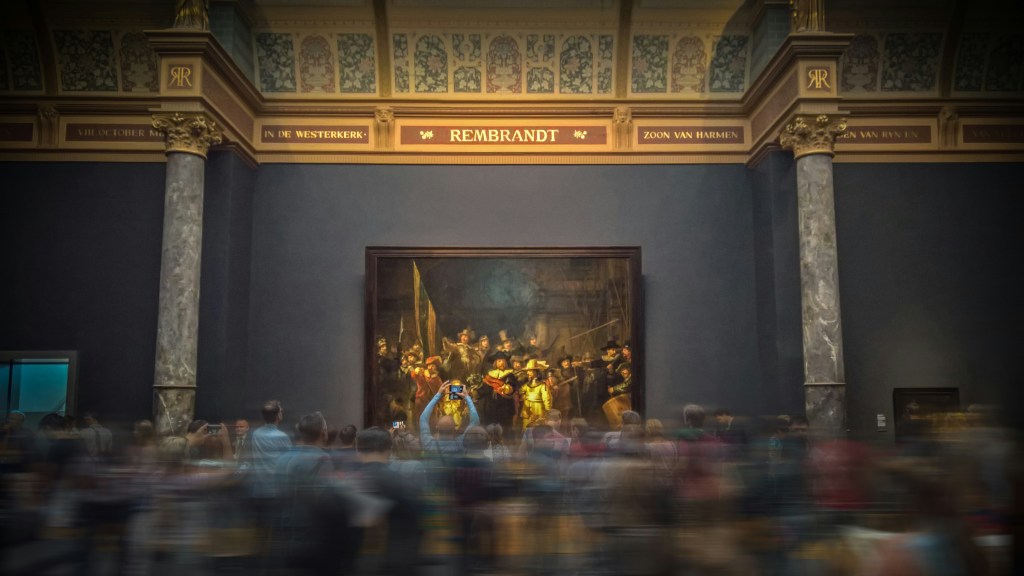
Global art sales rose 4% in 2025; the first growth since 2022; but the market is still smaller than it was a decade ago. We trace the real driver behind the “recovery,” from today’s ultra wealthy collectors back to 17th-century Amsterdam, and what it means for anyone tempted to buy in through a fractional ownership platform.
AI powered Personal Shopper
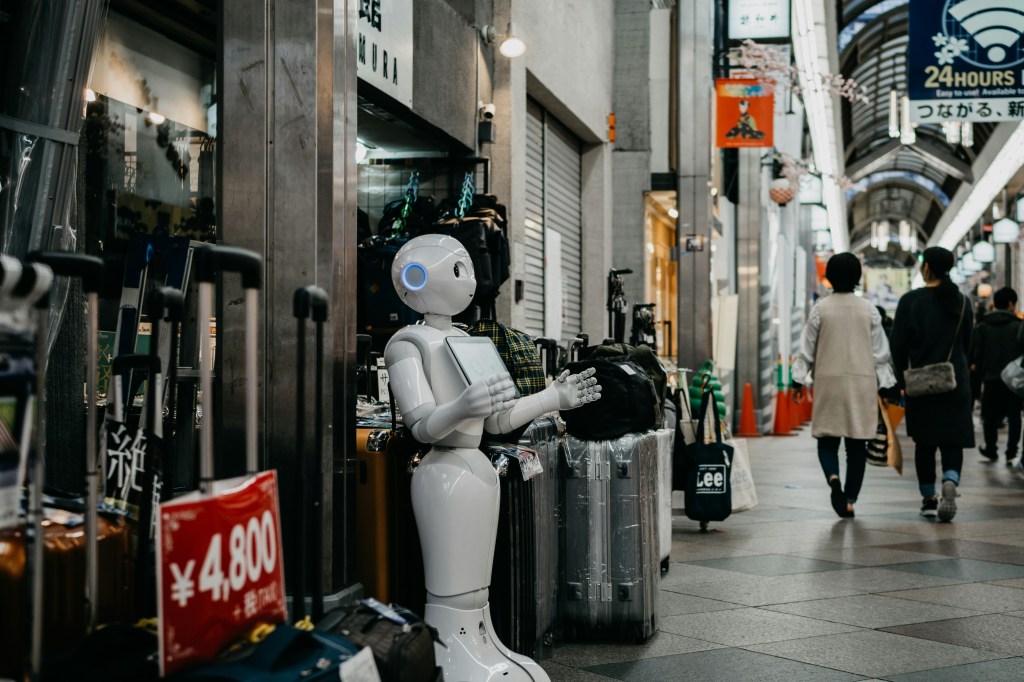
Artificial Intelligence (AI) has taken over the 2020s decade and has provided Large Language Models (LLMs) to assist in understanding and generating human-like text. This evolution of the human assistant has ushered in efficiencies beyond simply being able to write a clever essay or acknowledge differential equations.
Recap: Donald Trump’s Comeback
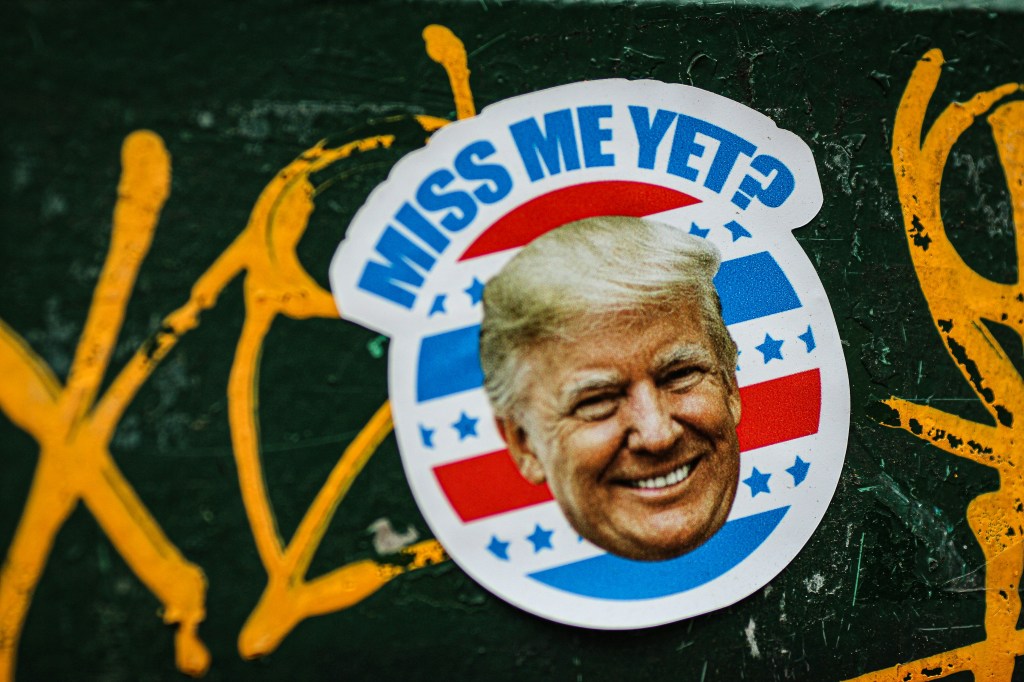
Highlighting Trump’s immediate focus on a “radical” economic overhaul centred around new tariffs on imports, notably a massive 145% on Chinese goods and 25% on Canadian products. We analyse Trump’s strategy of cooperation through domination as a means to bolster US jobs and its global position, while also detailing the potential negative consequences for consumers’
Evil Japan: Nippon Steel-US Steel
Protectionism and politics take another swing as the Nippon Steel and US Steel deal is blocked by US President Joe Bidden and not favoured by in-coming Donald Trump. Is nature of this collapsing deal a signal of further foreign buyouts taking a miss. In a candid piece we consider the implications of protectionism in America.
The Alternative to Common Investments
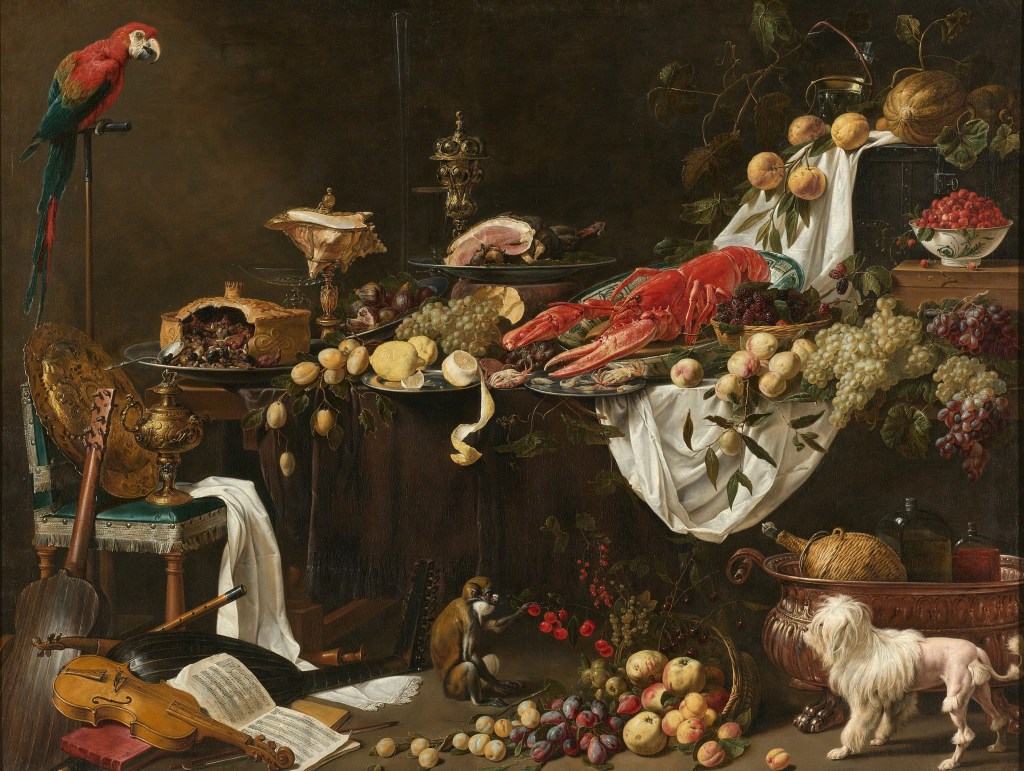
While traditional investments like real estate remain attractive, the art market, increasing accessibility through fractional ownership platforms, offers a unique opportunity. Understanding the risks involved, and carefully considering art as part of a diversified investment portfolio may provide potential for significant returns.
China’s Trade War
As Beijing’s dominance is reshaping the global auto industry. Its rapid growth in affordable electric vehicles is driving exports and sparking trade tensions with Western nations. To protect domestic industries, countries like the US and EU have imposed tariffs on Chinese vehicles. China has retaliated with its own tariffs, escalating the trade war.
 Manners&Willis