The Art Market Has Always Been a Bet on Wealth, Not Beauty
(7 minute read)
- Global art sales grew for the first time since 2022, rising 4% to an estimated US$59.6 billion in 2025; but the market is still smaller than it was a decade ago
- The mechanism behind today’s “recovery” is not new; concentrated wealth looking for somewhere to put itself has shaped art markets since the Dutch Golden Age.
- Understanding art as a wealth proxy, rather than an investment class in its own right, changes how an ordinary investor should think about it.
By Yassa Ahmed
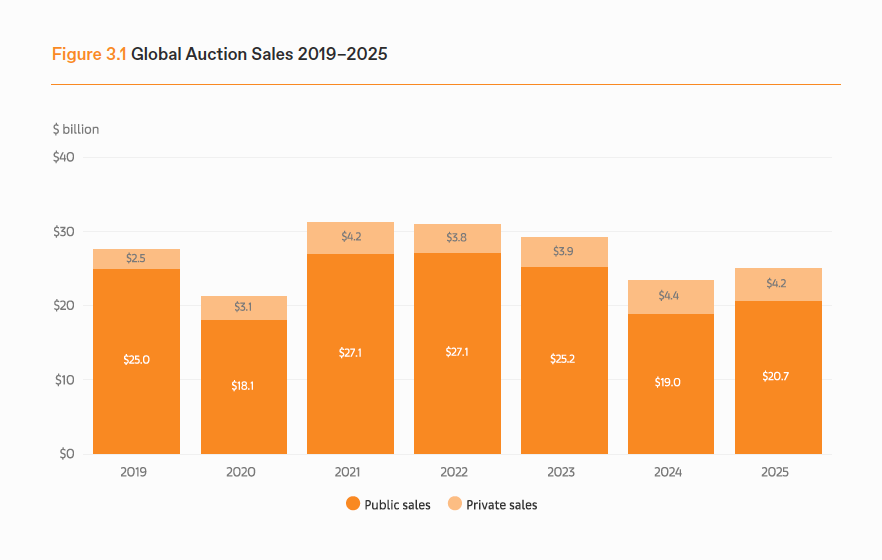
Art Basel and UBS released their tenth annual market report this year carrying a note of cautious relief: global sales climbed 4% in 2025, the first year of growth since the post-pandemic peak in 2022.
Dealers are more confident heading into 2026 than they have been in years, and public auctions had a particularly strong run, with sales up 9% as high value works moved back into saleroom activity after a couple of quieter years online.
It is tempting to read that as a turning point; the market shaking off a rough patch and getting back to form. But zoom out and the picture is less triumphant.
The 2025 total is still well below the $68.1 billion the market did at its 2022 peak, and, measured over a full decade, global art sales are down 7% since 2015. What looks like a recovery is really a market finding a lower plateau and calling it stability.
That gap between the headline and the longer trend is worth sitting with, because it points to something the art market rarely admits about itself: its growth doesn’t track supply, demand, or even taste in any straightforward way. It tracks where wealth is concentrating, and how badly the people holding it want somewhere to put it.
Revisiting the Question
We asked a version of this question a year ago, when Bitcoin was breaking US$100k and the obvious follow up question was where that liquidity would land next.
Art looked like a plausible answer: fractional ownership platforms were opening the door to smaller investors, and the numbers on offer; Old Masters’ CAGR, Basquiat and Ghenie’s price appreciation; made a reasonable case that art belonged in a diversified portfolio.
A year on, the report itself tells a different story than the one we asked about last time. Last year’s question was framed by a crypto bull run: where would that liquidity go next? This year’s report answers a different question; not where new money might go, but where the market actually landed after two years of contraction.
The growth in 2025 was not broad based democratisation reaching new investors; it was concentrated at the top end, driven by the same Ultra High Net Worth Individual (UHNWI) capital that has always driven this market, now joined by an unprecedented generational wealth transfer reshaping who is buying.
Fractionalisation did not change who the art market is actually for. It just gave more people a smaller stake in the same underlying bet.
A Very Old Pattern
This is not a new phenomenon dressed up in new headlines. Run the same question back 400 years and you land in the 17th century Dutch Republic, where a newly wealthy merchant class; flush with capital from trade but shut out of the aristocratic status markers of land and title; turned to paintings instead.
The economist and art historian John Michael Montias spent years cataloguing tens of thousands of inventoried artworks from Amsterdam estate records of the period, and the picture that emerges is of art ownership spreading across a surprisingly wide income band of Dutch households.
Not necessarily out of connoisseurship, but because paintings were a portable, display worthy way to hold and show wealth in a society where the old status hierarchies did not quite fit new money.
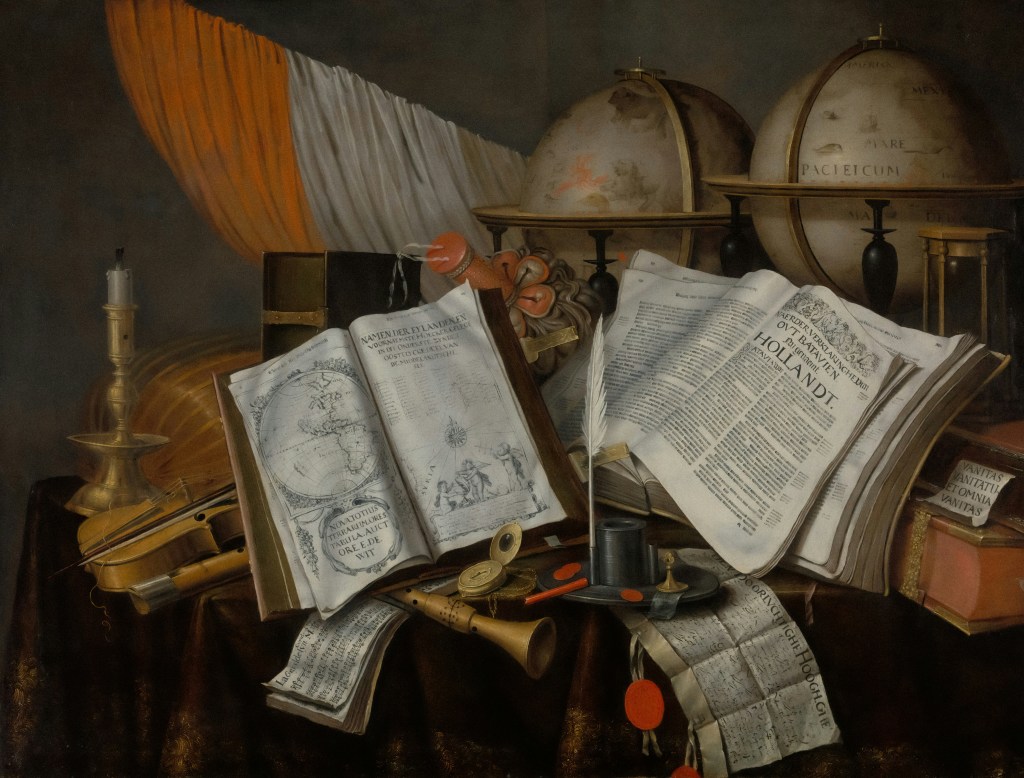
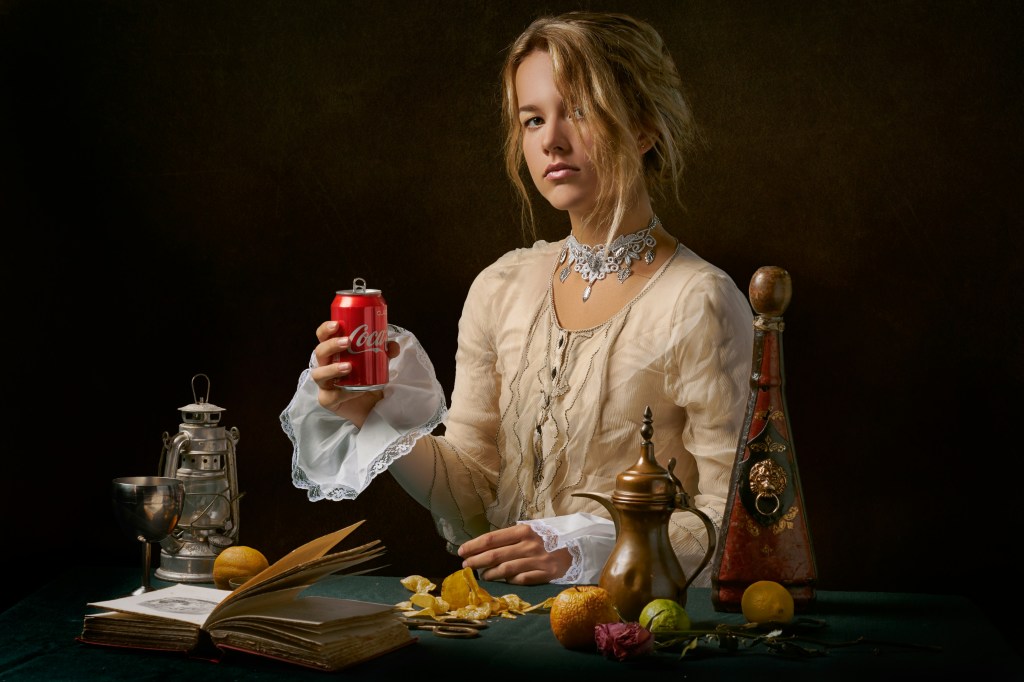
‘Still lifes’ like the one accompanying this piece were not just decoration; they were a merchant class working out how to signal that it had arrived.
Swap “merchant capital” for “UHNWI wealth” and “guild regulated painters’ market” for “Art Basel and Christie’s,” and the underlying mechanism has not moved much. What changes across the centuries is not the logic; it is who has the surplus capital, and what technology exists to let more people buy in behind them.
Who is Actually Buying?
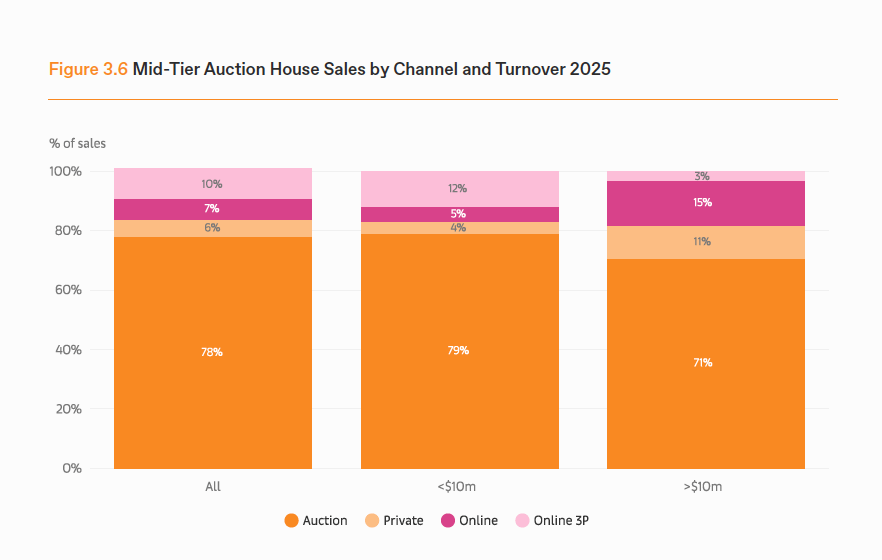
The 2026 report is fairly candid about who drove 2025’s growth back into positive territory, and it was not a broadening base of new collectors. High end activity did the heavy lifting.
The same $10 million plus bracket that dominates every year regardless of how the mid-market is doing. Auction houses reported renewed confidence specifically because blue chip works moved back into salerooms in person, after two years of a more subdued, online heavy market.
Layered on top of that is a structural shift UBS and Art Basel are betting will shape the next decade more than any single year’s sales figures: an estimated US$83 trillion set to pass between generations in the coming years, the so-called Great Wealth Transfer.
As that money moves from one generation of HNWIs to the next, the report expects collecting priorities to shift with it; more participation from women and younger collectors, more weight given to purpose and philanthropy alongside pure acquisition.
It is a genuine change in who holds the wealth. It is not a change in the underlying fact that this remains a market for people who already have a great deal of it.
What This Actually Means for a Smaller Investor
None of this makes fractional ownership platforms dishonest; Masterworks and similar products do lower the entry point to an asset class that was previously closed to anyone without seven figures to spare.
But lowering the entry point does not change what is being entered into. The long run numbers on art as an asset class are unglamorous: even well performing categories like European Old Masters have shown negative 15-year CAGR by some measures, and holding periods on fractionalised products routinely run three to ten years before an investor can exit cleanly.
An ordinary investor buying a sliver of a painting is not participating in the same market as the UHNWI buying the whole thing.
They are taking on the same illiquidity and the same volatility, in exchange for a much smaller claim on the upside if the bet pays off. That is not a reason to avoid it entirely; it is a reason to be discerning about what kind of bet it actually is.
The Bet Underneath the Bet
Which brings us back to the plateau. A 4% bounce off a two-year slump is being read, understandably, as the market finding its footing again. But the more useful way to read it is as further confirmation of what the Dutch merchants could have told us four centuries ago: art does not grow because more people love it.
It grows when the people who already hold the wealth need somewhere to put it, and it slows when they do not. For an ordinary investor, that reframes the question entirely.
The relevant thing to track is not the art market’s returns in isolation; it is where global wealth is concentrating and how confident that wealth is feeling.
Art follows; it does not lead. If you are going to put money into it, know you are making a bet on the mood of people with a great deal more of it than you.
 Manners&Willis